
7 Facts About the Nā Pali Coast You Probably Didn’t Know
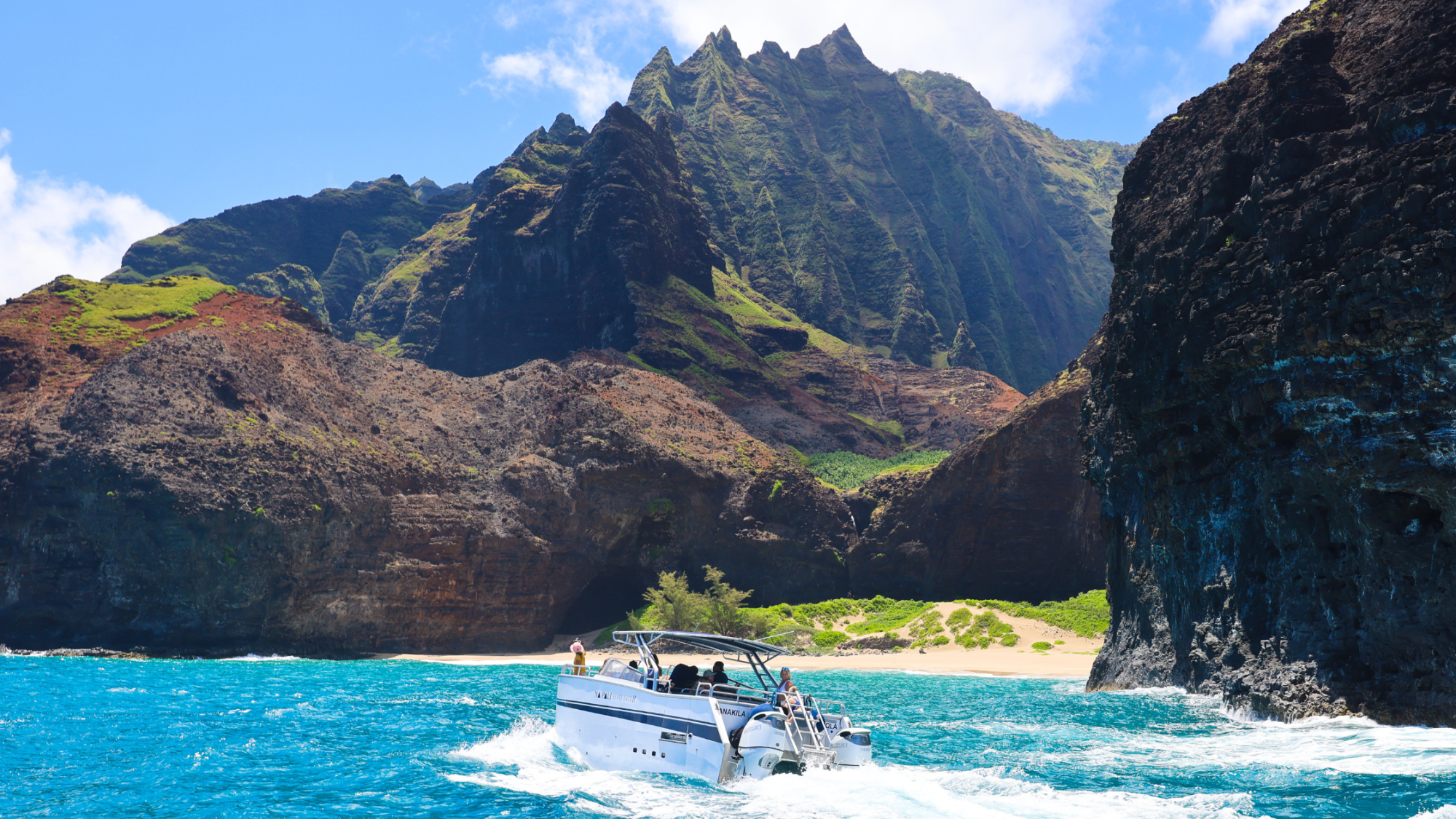
The Nā Pali Coast is one of the most photographed shorelines in the world, yet even repeat visitors are often surprised by just how much they don’t know about this extraordinary stretch of Kauaʻi. From 4,000-foot cliffs to ancient sea caves, from seasonal wildlife to the complete absence of roads, Nā Pali remains one of Hawaiʻi’s last truly untouched wildernesses.
Here are seven things that make this coastline unlike anywhere else on Earth.
1. The Coastline Has No Roads
One of the reasons the Nā Pali Coast feels so pristine is that there are no roads leading in or out, not today, and not ever. Its sheer cliffs and rugged terrain made road construction impossible, preserving the coastline in a way few places have experienced.
The only ways to see Nā Pali are:
-
By boat,
-
By helicopter, or
-
Through advanced hiking on the Kalalau Trail.
That isolation is why Nā Pali still feels untouched, wild, and profoundly protected.
2. “Nā Pali” Literally Means “The Cliffs”
In Hawaiian, Nā Pali translates to “the cliffs.” It’s an elegant name that reflects the coastline’s dramatic lines, steep, cathedral-like ridges that rise straight from the ocean across 17 miles of protected wilderness.
If you’ve ever rounded a corner and felt your breath catch at the sight of those towering formations, you’ve already felt why this name fits perfectly.
3. Wildlife Changes With the Seasons
Nā Pali is alive with wildlife year-round, but what you see depends on when you visit. Spinner dolphins often glide alongside our boats in playful pods, while bottlenose dolphins make more occasional appearances in the deeper blue water. Sea turtles cruise through shallow reefs, manta rays pass through on rare days, and reef sharks sometimes circle near hidden pockets of coastline.
And in winter, humpback whales return to Hawaiʻi’s warm waters, an unforgettable experience no matter how many times you’ve witnessed it.
4. The Sea Caves Are Among the Oldest in Hawaiʻi
The cliffs of Nā Pali were formed millions of years ago by volcanic activity and gradual erosion. Over time, waves carved tunnels, chambers, and cathedral-like openings into the lava rock, creating some of Hawaiʻi’s oldest sea caves.
Exploring the caves by boat is like traveling through time, each cave has its own story, its own personality, and its own natural architecture shaped by centuries of wind and water.
5. Waterfalls Here Are Permanent… and Temporary
Nā Pali’s waterfalls are constantly changing. Some waterfalls flow year-round. Others appear only after heavy rain and can disappear within hours. Storm runoff, groundwater seepage, and Kauaʻi’s dramatic rainfall patterns combine to create waterfalls that reshape the coastline moment by moment.
That’s why no two tours ever look exactly the same.
6. The Cliffs Rise Over 4,000 Feet Straight Up
From sea level to sky level….instantly.
Nā Pali’s cliffs are among the tallest oceanfront cliffs on Earth, rising more than 4,000 feet from the ocean floor to the ridgelines. For perspective: that’s nearly three times the height of the Empire State Building.
Seen from a boat, the scale is staggering. Even after years on this water, our captains still look up in awe.
7. Small Groups = Better Access
One of the best ways to experience Nā Pali is in a small-group boat. Smaller vessels allow for:
-
Quieter wildlife encounters
-
Access into narrow sea caves
-
Closer proximity to waterfalls and cliffs
-
A more personal, immersive experience
At Na Pali Experience, our intimate tours are designed to take guests into places larger boats simply can’t reach — offering a closer, more meaningful perspective of the coastline.